



Artículo: Artificial Olive Tree Guide 2026: How to Choose the Perfect Size, Style, and Realistic Faux Olive Tree for Your Home
Artificial Olive Tree Guide 2026: How to Choose the Perfect Size, Style, and Realistic Faux Olive Tree for Your Home
Bringing natural elements into modern interiors has become a major trend in home design. More American homeowners are embracing biophilic-inspired decor and greenery to create warmer, more comfortable spaces without adding extra maintenance.
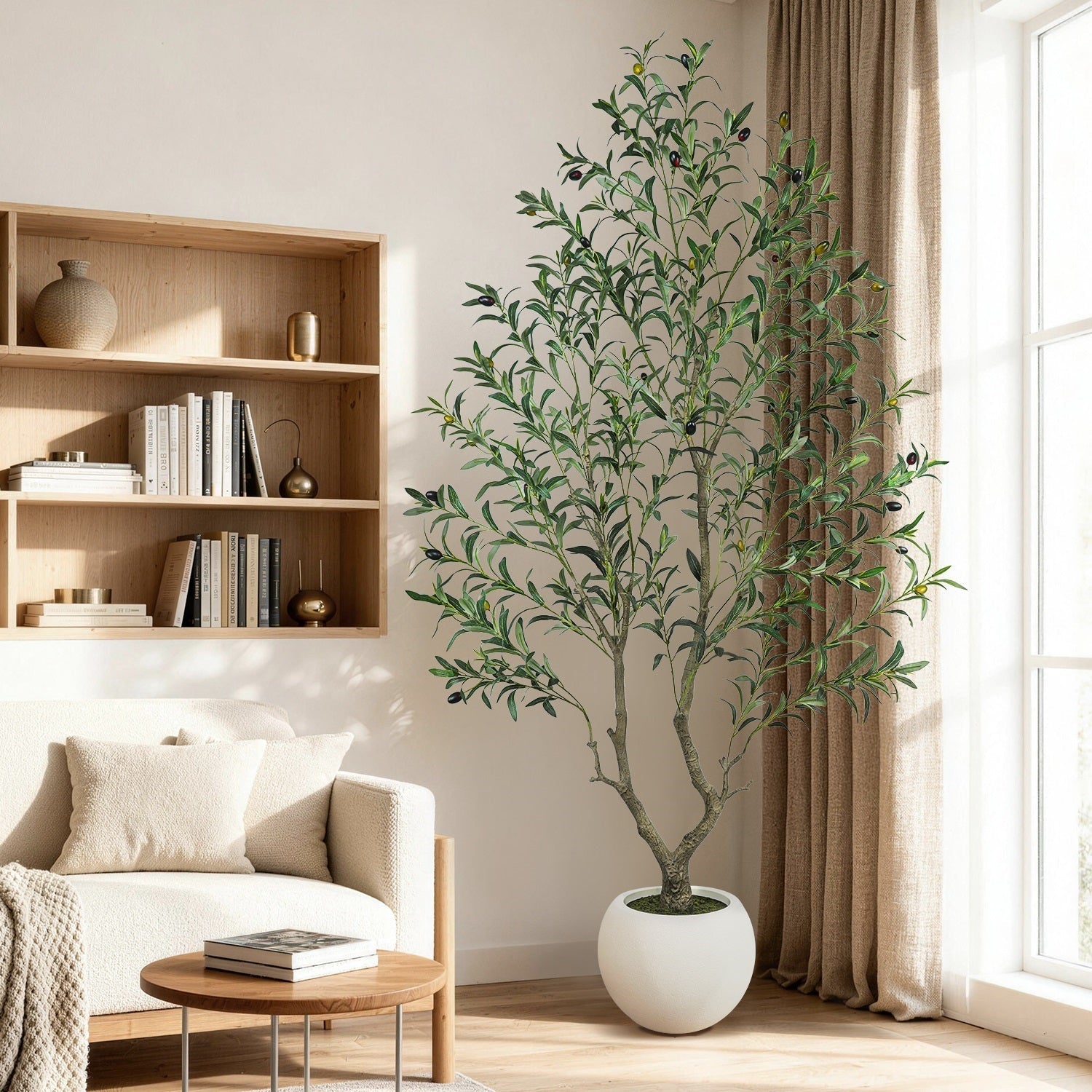
An artificial olive tree is a realistic faux tree designed to replicate the appearance of a natural olive tree without requiring watering, sunlight, pruning, or seasonal maintenance. Featuring lifelike leaves, elegant branches, and a timeless Mediterranean-inspired silhouette, it brings natural charm to living rooms, entryways, offices, hotels, and commercial spaces. As a low-maintenance artificial plant, an artificial olive tree for home decor offers an effortless way to add greenery and style to any interior.
For busy homeowners, apartment renters, and commercial designers, artificial olive trees offer an easy way to enjoy year-round greenery while creating a stylish and welcoming environment.
The Artificial Greenery Market Is Growing, Making Artificial Olive Trees a New Home Decor Trend
The global artificial greenery market continues to expand as consumers increasingly look for stylish, comfortable, and low-maintenance home decor solutions. According to Market Glass Research, the global artificial plant market is expected to grow from approximately $658.5 million in 2025 to $839.1 million by 2032, with a CAGR of 3.5%. Among all segments, artificial full plants and trees are one of the fastest-growing categories, projected to reach $336.3 million by 2032.(1)
The growing popularity of artificial plants and low-maintenance home decor reflects a shift toward convenient and long-lasting interior solutions. The Artificial Olive Tree has gained attention for its realistic greenery, timeless design, and effortless upkeep, making it a practical choice for homeowners and businesses seeking stylish spaces without the maintenance of real plants.
Unlike real plants that require sunlight, watering, pruning, and seasonal care, artificial olive trees provide year-round greenery without complicated maintenance. This makes them ideal for apartments, offices, and commercial spaces where natural plants may struggle to thrive.
With their elegant branches, realistic leaves, and timeless Mediterranean style, Artificial Olive Trees easily complement popular interior trends such as Modern Farmhouse, Mediterranean, Coastal, and Contemporary design, adding warmth and a natural touch to any space.
Consumer Behavior: Why Americans Choose Artificial Olive Trees
American consumers are choosing plants not only for decoration but also for lifestyle solutions that are practical, flexible, and easy to maintain. The demand for Artificial Olive Trees mainly comes from four key buyer groups: homeowners, apartment renters, Airbnb hosts, and commercial buyers seeking stylish, low-maintenance greenery.
For homeowners, an Indoor Artificial Olive Tree is an effortless way to enhance living rooms, entryways, dining areas, and home offices. Many buyers prefer decor that stays beautiful year-round without the need for watering, pruning, or seasonal care.
Apartment renters often choose artificial olive trees because they work well in smaller spaces with limited sunlight or rental restrictions. A well-designed tree can add height, greenery, and visual interest without permanent changes to the property.
For Airbnb hosts, hotels, offices, and commercial spaces, artificial olive trees provide a simple way to create a welcoming atmosphere while reducing ongoing maintenance costs. They are ideal for areas such as lobbies, reception areas, meeting rooms, and restaurants where consistent appearance matters.
Beyond aesthetics, factors such as pet-friendly living, allergy concerns, and long-term durability also influence purchasing decisions. A high-quality Artificial Olive Tree offers the natural look consumers want while fitting modern lifestyles.
Trend Insight: Natural Interior Design Is Driving Artificial Olive Tree Demand
Biophilic Design has become a major trend in the US home decor market as consumers increasingly look to bring natural elements into their living spaces. According to the Houzz 2026 Emerging Trends Report, searches for biophilic design increased by 112%, wellness room searches grew by 164%, and spa-inspired home design searches increased by 68%.(2)
These trends show that American homeowners are prioritizing natural, calming, and wellness-focused interiors. As part of this movement, the Artificial Olive Tree meets the growing demand for natural beauty + low maintenance, adding greenery and visual interest without the lighting, watering, or care requirements of real plants.
The rise of apartments, townhomes, and smaller homes has also increased demand for vertical decor. A tall artificial olive tree can add height, depth, and a more spacious feeling while taking up minimal floor space.
Beyond residential use, hotels, Airbnb properties, cafes, and commercial spaces are increasingly adopting artificial greenery to create welcoming, premium environments with lower maintenance costs.
Regional preferences also influence demand. In warmer states like California and Florida, consumers use artificial greenery indoors to reduce upkeep, while colder regions such as the Northeast and Midwest often prefer artificial plants due to limited sunlight and challenging growing conditions.
Purchase Decision: How to Choose the Right Size Artificial Olive Tree

Choosing the right size is essential when purchasing an Artificial Olive Tree. Since most US homes have ceiling heights of approximately 8–10 feet,(3) the ideal tree height depends on your room size, furniture proportions, and placement location.
5–6 FT Artificial Olive Tree: The Most Versatile Choice
A 5–6 FT Artificial Olive Tree is the most popular size for American homes. It fits perfectly in living rooms, entryways, dining areas, home offices, and Airbnb spaces, creating a stylish focal point that complements Modern, Farmhouse, Mediterranean, and Contemporary interiors.
7–8 FT Artificial Olive Tree: Designed for Large Spaces
A 7–8 FT Artificial Olive Tree is ideal for high-ceiling homes, offices, hotels, restaurants, and commercial spaces. Its larger size adds height, depth, and a premium visual impact to spacious interiors.
Beyond size, quality details determine how realistic and durable an artificial olive tree will be. Look for features such as:
-
UV-resistant treatment for better outdoor and long-term durability
-
High-quality PE leaves that replicate natural olive leaf texture
-
Naturally shaped branches to avoid an artificial appearance
-
Strong trunk construction for stability and realistic structure
-
Stable base design for safe placement
-
Eco-friendly materials and refined finishes suitable for residential and commercial use
Choosing the right size and a realistic design allows an Artificial Olive Tree to enhance your space while providing long-lasting beauty with minimal maintenance.
Real Olive Tree vs. Artificial Olive Tree: Which Is Better for Modern Homes?
For homeowners who love natural decor, both real and Artificial Olive Trees offer unique benefits. However, as modern lifestyles become busier, many consumers are choosing decorative solutions that provide beauty with less maintenance.

| Feature | Real Olive Tree | Artificial Olive Tree |
| Maintenance | Requires regular watering, pruning, and care | Requires minimal maintenance, only occasional cleaning |
| Lighting Needs | Needs sufficient sunlight to grow properly | No lighting restrictions, suitable for various indoor spaces |
| Climate Adaptability | Sensitive to temperature, humidity, and seasonal changes | Performs consistently across different environments |
| Long-Term Cost | Ongoing costs for care, supplies, and time | One-time purchase with long-term value |
| Appearance | Changes depending on season and plant health | Maintains a realistic look year-round |
Regional climate also affects plant choices. In warmer states like California and Florida, real olive trees may grow well outdoors, but indoor conditions such as limited light and temperature changes can still impact their health.
For consumers seeking a natural look without the ongoing effort of plant care, an Artificial Olive Tree provides the ideal balance of realistic beauty, convenience, and durability.
For shoppers wanting natural greenery without regular plant upkeep, artificial olive trees balance lifelike beauty, convenience and durability.
Industry analysis notes mature live indoor trees need 15–30 minutes of weekly care, totalling over 20 hours annually for watering, pruning and maintenance. Artificial versions only need occasional dusting, slashing routine care time. Live plants also bring ongoing costs for soil, fertilizer and replacements. Over five years, these recurring charges add up significantly. A premium artificial olive tree acts as a one-time investment, cutting long-term spending on home green decor.(4)
Choosing the Right Artificial Olive Tree Based on Your Space
The best Artificial Olive Tree depends on your room size, placement, and intended use. Choosing the right height helps create a balanced and natural look.
-
Living Rooms & Entryways: 5–6 FT The most versatile choice for most American homes. Designed to complement standard 8–10 FT ceilings, it creates an attractive focal point while enhancing overall home decor.
-
Large Homes & Commercial Spaces: 7–8 FT Best suited for high-ceiling homes, offices, hotels, restaurants, and other spacious interiors. Larger trees add depth, height, and a more premium visual effect.
-
Outdoor Areas: Choose UV-Protected Models For patios, balconies, or outdoor spaces, select a UV-resistant Artificial Olive Tree made with weather-resistant materials to reduce fading and improve durability.
Whether you are decorating a home, Airbnb, or commercial space, choosing an artificial olive tree that matches your environment allows you to enjoy the perfect combination of natural beauty, style, and low maintenance.
Frequently Asked Questions About Artificial Olive Trees
Are Artificial Olive Trees Worth Buying?
Yes. A high-quality Artificial Olive Tree provides the natural look of real greenery without watering, pruning, or seasonal maintenance. It is ideal for homes, Airbnb properties, and commercial spaces that want a beautiful green atmosphere with minimal effort.
Do artificial olive trees look real?
Premium artificial olive trees deliver a lifelike appearance thanks to intentional leaf variation, textured trunk texture, and natural, uneven branch structure. Budget options often lack these organic details and appear obviously fake.
Where should I place an artificial olive tree?
-
Living room: Fill empty corners beside windows or sofas to create a warm Mediterranean focal point.
-
Entryway: Welcome guests with a tall artificial olive tree to craft an inviting first impression.
-
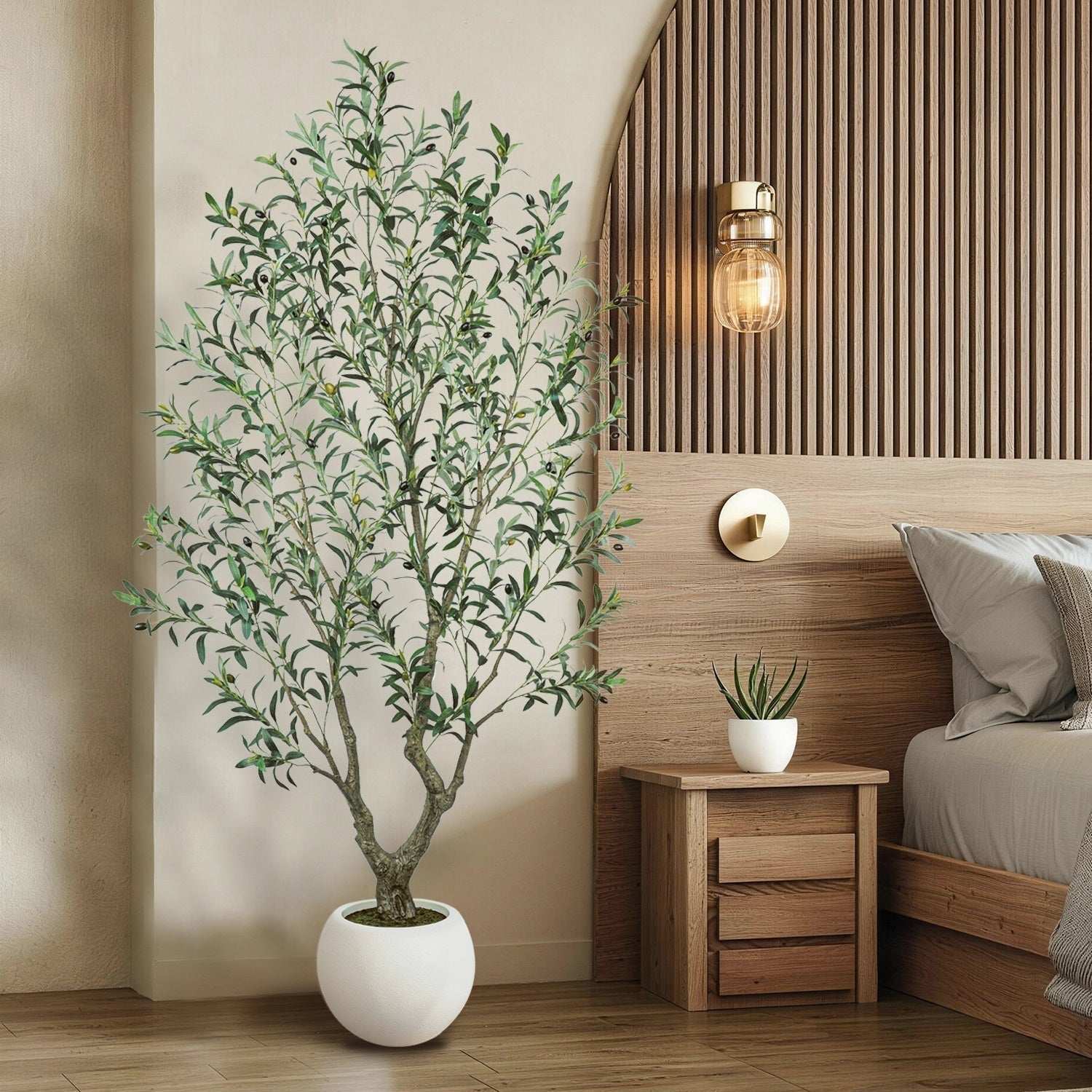
Bedroom: Pick a compact size to add calm green decor without plant upkeep.
-
Office: Brighten low-light corners next to desks or in meeting areas.
What makes an artificial olive tree realistic?
Realistic artificial olive trees feature natural leaf variation, detailed textured trunk bark, asymmetrical organic branch structure, and subtle color gradients that replicate living olive trees.
Are artificial olive trees safe for pets?
Quality artificial olive trees are pet-safe for cats and dogs. Avoid letting pets chew loose leaves or faux olives, which create a minor choking risk. Live olive foliage, by contrast, may upset pets’ stomachs if eaten.
Author: LinAaron
About: Founder of Vitalismo, dedicated to crafting lifelike artificial plants for North American home interiors.
Sources & Industry References
To deliver reliable market insights, this guide draws on public industry research and home design trend reports:
(1) Market Glass Research, Artificial Plants Market Analysis Report
(2) Houzz, Emerging Home Design Trends Report
(3)International Code Council (ICC), U.S. Residential Design Standards (IRC)
(4) Buddy! Magazine, Real vs Artificial Plants Cost Analysis, December 2025

Dejar un comentario
Este sitio está protegido por hCaptcha y se aplican la Política de privacidad de hCaptcha y los Términos del servicio.